

Blog > The Home Features That Become More Important as You Get Older
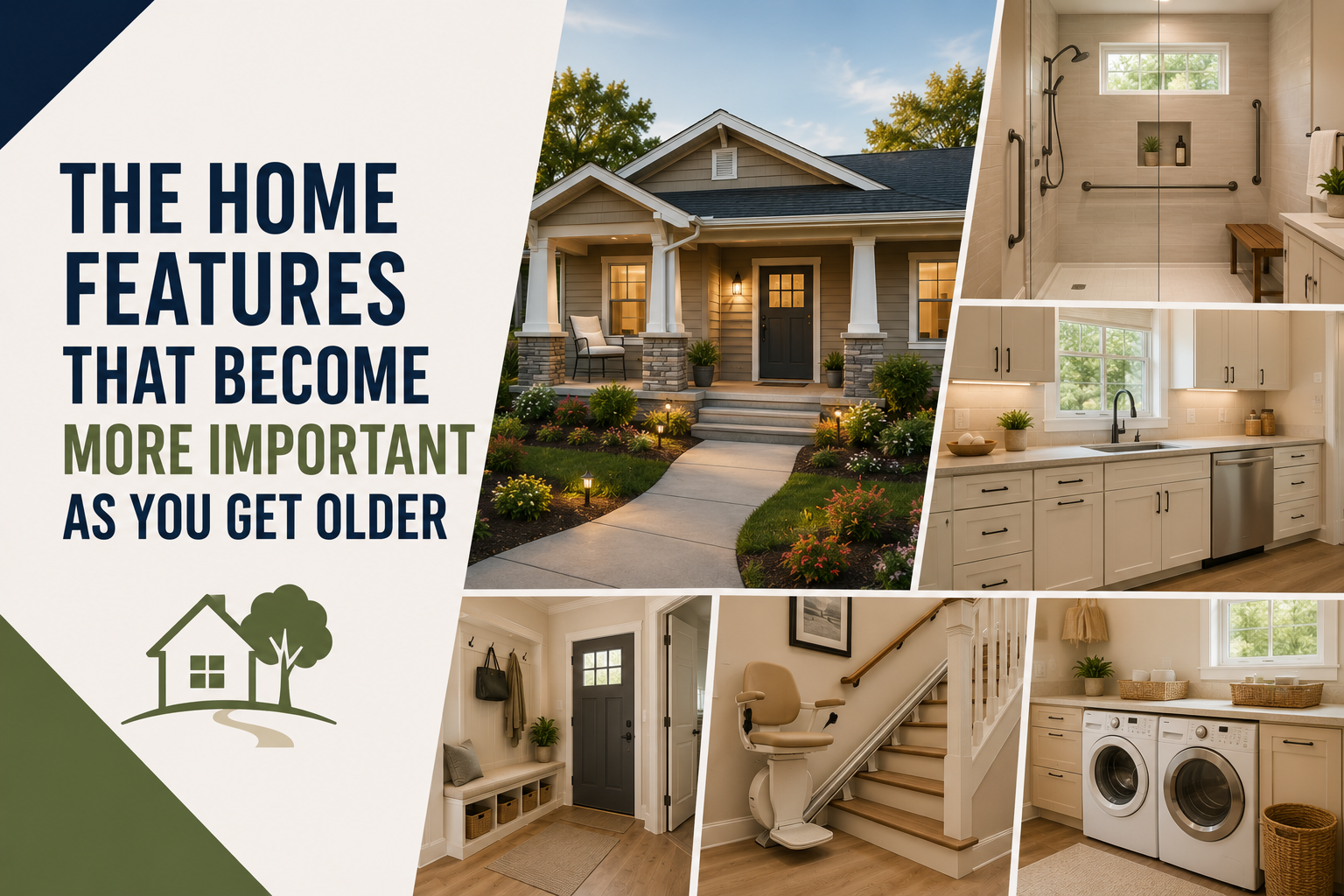
When buying a home, most people focus on what works for their life right now. The number of bedrooms, kitchen design, backyard, and entertaining space often take priority. But a home that feels perfect today may become less convenient years from now. Thinking about long-term usability doesn't mean planning your entire future—it simply means recognizing features that can make a home easier to live in at every stage of life.
One of the biggest considerations is the number of stairs. A multi-level home may not seem inconvenient today, but constantly traveling between floors can become less appealing over time. Homes with a first-floor bedroom and full bathroom provide flexibility, whether for future homeowners, visiting relatives, or temporary situations where using stairs becomes difficult.
Low-maintenance living also tends to become more valuable. Large yards, elaborate landscaping, expansive decks, and other outdoor features can be attractive, but they also require regular work. Smaller lawns, durable exterior materials, manageable landscaping, and newer major systems can reduce the amount of time and money required to maintain a property.
The bathroom layout is another feature worth noticing. Spacious showers, easy entry, good lighting, and enough room to move comfortably can make a bathroom more functional for everyone. Buyers don't necessarily need to search specifically for accessibility features, but a well-designed bathroom can be much easier to adapt later if needs change.
Doorways, hallways, and overall floor-plan flow can also make a surprising difference. Narrow spaces, awkward steps between rooms, and tight corners may barely register during a showing. Over time, however, an open and easy-to-navigate layout can become increasingly valuable. As a bonus, these layouts often make moving furniture and handling everyday household tasks easier too.
Location becomes especially important as lifestyles change. Being close to shopping, healthcare, restaurants, parks, family, and other everyday necessities can reduce the amount of driving required. A home that provides convenient access to the places you regularly visit may ultimately offer more practical value than additional square footage farther away.
Storage is another consideration. Well-designed closets, an accessible garage, a pantry, and easily reached storage areas can become more useful than attic spaces that require climbing ladders or basement storage that requires carrying items up and down stairs. Convenient storage makes it easier to keep a home organized without turning ordinary tasks into physical projects.
Even seemingly small details can matter. Good exterior lighting, a level driveway, covered entrances, easy access from the garage to the house, and minimal steps at entry points can all make daily life more comfortable. These aren't necessarily features that generate excitement in listing photos, but they're often appreciated once you've lived in a home for years.
Of course, not every buyer needs to purchase a “forever home.” Your plans may change, and there's nothing wrong with choosing a property that fits a particular stage of life. But if you're hoping to stay for many years, it's worth thinking beyond what you need today.
The best long-term home isn't necessarily the largest or most luxurious. Often, it's the one that remains comfortable, manageable, and convenient as life changes. A little forward thinking during the buying process can help you choose a home that continues working for you long after the excitement of move-in day has passed.