

Blog > The 10-Year Test: Will Today’s Dream Home Still Work for You Later?
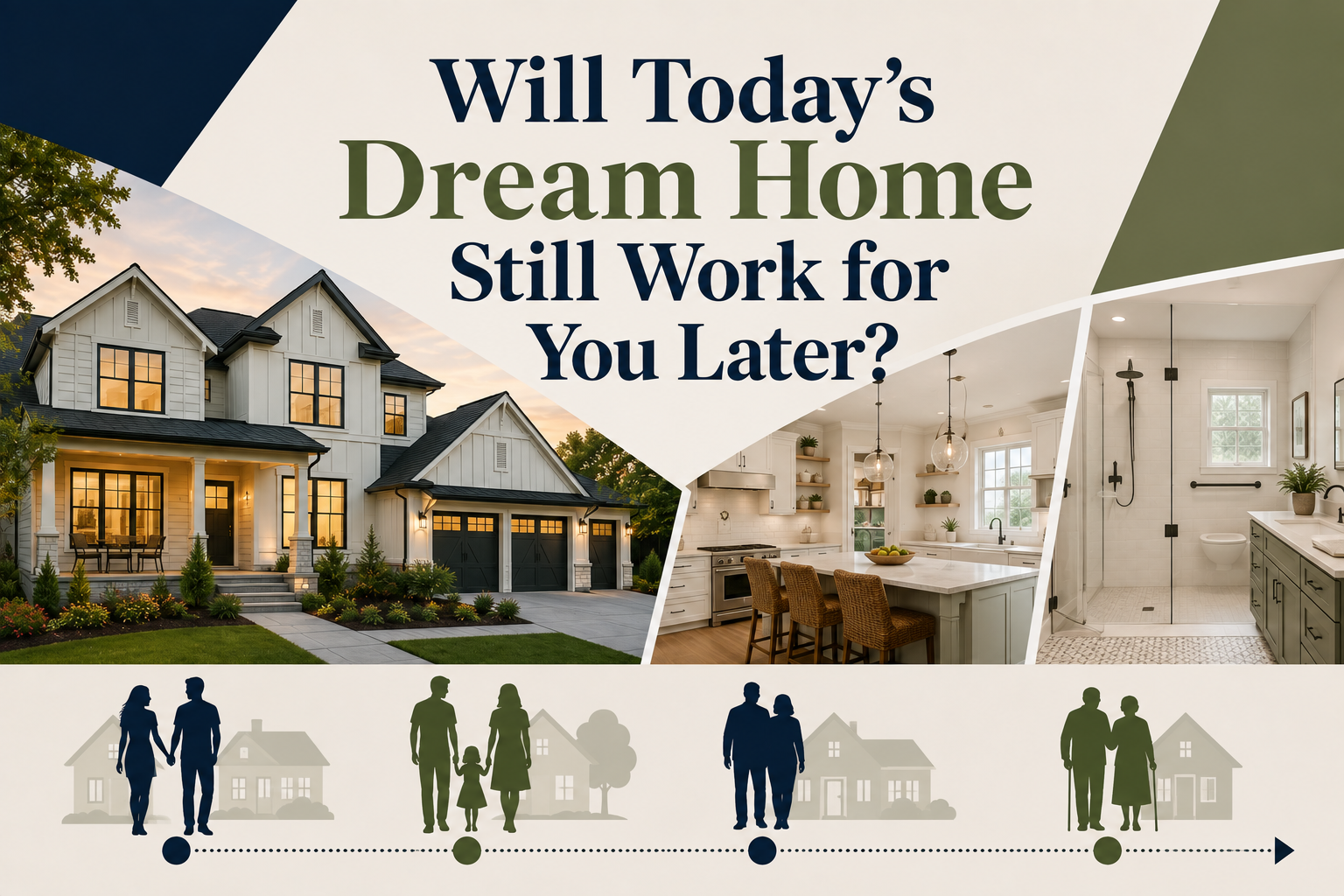
Buying a home is usually driven by what you need today. You may be thinking about your current commute, the number of bedrooms you need, your favorite neighborhood, or whether the kitchen has enough counter space. But if you plan to stay for several years, there's another question worth asking: Could this home still work for me 10 years from now?
The “10-Year Test” isn't about predicting exactly where your life will be a decade from now. That's nearly impossible. Instead, it's about looking for flexibility. A home that can adapt to changing needs may allow you to stay longer, avoid an unnecessary move, and potentially get more value from your purchase.
Start with space and layout. A spare bedroom might serve as a home office today but become a nursery, guest room, hobby space, or caregiving space later. A finished basement could provide a playroom now and additional living space in the future. Flexible rooms often have more long-term usefulness than highly specialized spaces designed for only one purpose.
Next, consider how your household could change. You may eventually need more bedrooms, additional storage, workspace for two people, or room for extended family. On the other hand, a very large home may become more space than you want to maintain later. The goal isn't necessarily to buy bigger—it's to choose a home with enough flexibility to accommodate reasonable changes.
Accessibility is another consideration buyers often overlook. Multiple flights of stairs, steep driveways, difficult entryways, or all bedrooms located on an upper floor may work perfectly today. But a first-floor bedroom, full bathroom, manageable entrance, or more accessible layout can provide options if circumstances change.
Then there's maintenance. That large yard, swimming pool, expansive deck, or older home filled with character may be exactly what you want now. But think about the time and expense required to maintain those features year after year. A home should fit not only the lifestyle you want, but also the level of maintenance you're realistically willing to handle.
Location deserves the same long-term perspective. A home that's convenient for your current job may become less ideal if employment changes. Consider access to major roads, shopping, healthcare, recreation, schools, family, and other amenities that could remain useful even as your routine evolves. A versatile location can be just as important as a versatile floor plan.
It's also worth considering future resale appeal. Even if you expect to stay for 10 years or longer, chances are you'll eventually sell. Features with broad appeal—functional layouts, adequate storage, convenient parking, desirable locations, and usable outdoor space—may help the home remain attractive to future buyers. Highly unusual layouts or extremely personalized features can sometimes narrow the pool of potential buyers.
Of course, you shouldn't sacrifice everything you want today for a future that may never happen. There's little value in buying a home you don't enjoy simply because it checks hypothetical boxes for a decade from now. The better approach is to balance today's priorities with tomorrow's possibilities.
Before making an offer, imagine yourself walking through the same home several years in the future. Could rooms serve different purposes? Would the maintenance still be manageable? Could the location continue to fit your lifestyle? Is there room to adapt without requiring a major renovation?
A dream home doesn't have to meet every need you'll ever have. But the best purchases often provide enough flexibility to evolve along with you. Passing the 10-Year Test simply means choosing a home that gives your future self more options—not fewer.