

Blog > Buying for Today vs. Buying for Resale: Where’s the Balance?
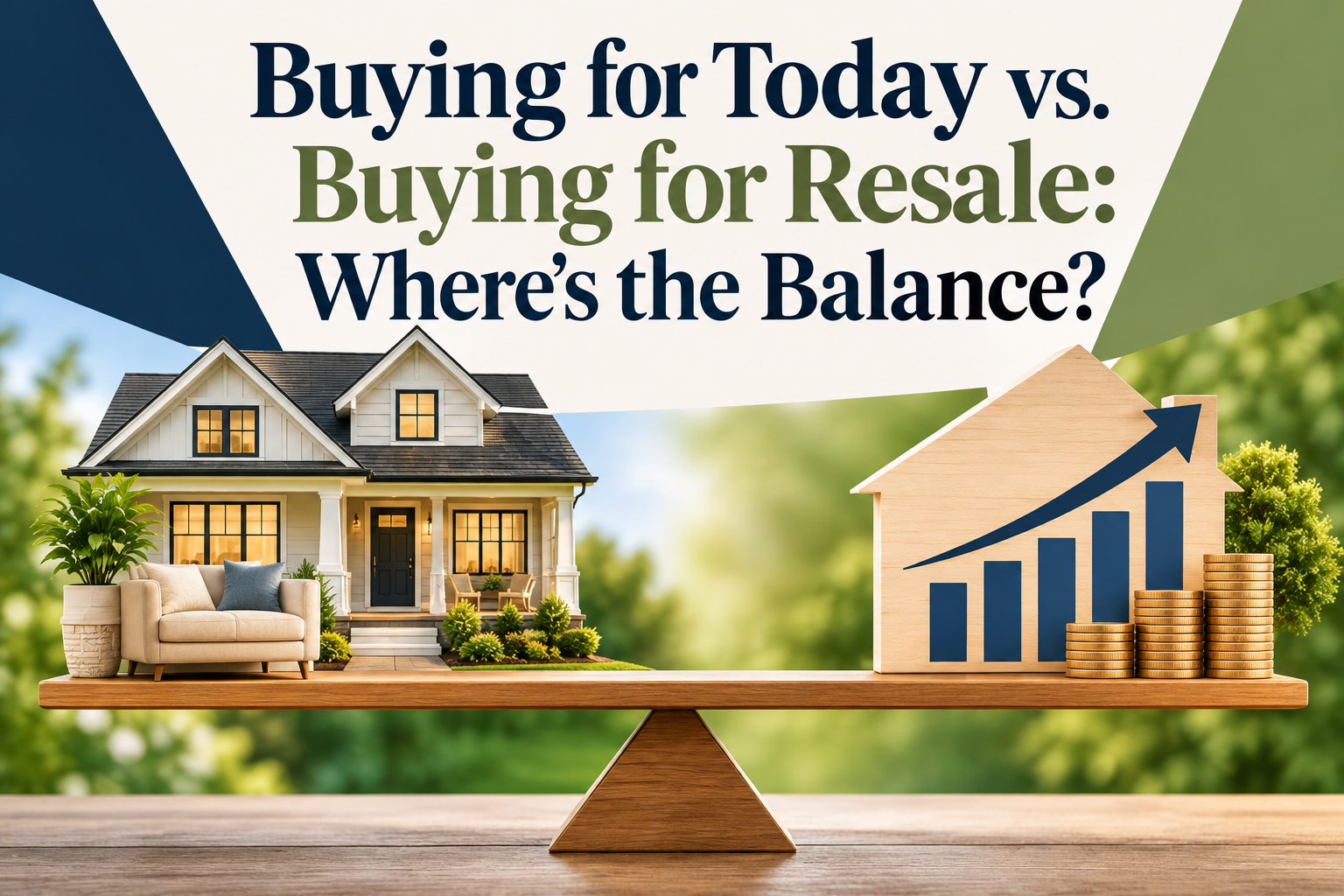
When shopping for a home, most buyers focus on finding a property that fits their current lifestyle. The right number of bedrooms, a beautiful kitchen, a spacious backyard, or a convenient location can make a home feel like the perfect choice. But there's another consideration that shouldn't be overlooked: How appealing will this home be to future buyers? Finding the balance between personal enjoyment and long-term resale potential can help you make a more confident purchasing decision.
One of the most important factors is location. You can renovate a kitchen, replace flooring, or update a bathroom, but you can't change where a home sits. Neighborhood appeal, access to amenities, commuting convenience, and surrounding property conditions can all influence future buyer interest. Even if a home's interior needs some work, a desirable location may provide advantages that cosmetic improvements simply can't replicate.
Floor plans and functionality also play a major role in resale appeal. A home with a practical layout, adequate storage, and well-proportioned rooms will often appeal to a broader range of buyers than one with an unusual or highly specialized design. Features like a convenient laundry area, accessible bathrooms, and flexible living spaces can provide everyday benefits now while remaining attractive when it's time to sell.
Another consideration is how personalized you want to make the property. Your home should reflect your taste, and there's nothing wrong with choosing bold colors, unique finishes, or custom features that make you happy. However, highly specific renovations may not appeal to everyone. A themed room, unconventional kitchen layout, or expensive specialty feature could eventually require changes to attract future buyers. The key is understanding that personal enjoyment and resale value aren't always the same thing.
Buyers should also think carefully about bedroom count and usable square footage. A home with fewer bedrooms than most comparable properties in the neighborhood may have a smaller pool of potential buyers. Similarly, converting a bedroom into a permanent specialty space could affect future marketability. Flexible rooms that can serve multiple purposes often provide a better balance between current needs and future appeal.
Parking and outdoor space are easy to underestimate as well. A garage, practical driveway, manageable yard, or usable patio may not be the most exciting feature during a showing, but these everyday conveniences can matter significantly to future buyers. While preferences vary by neighborhood and price range, properties that offer functional outdoor areas and convenient parking may have an advantage over homes with limited options.
Of course, buying exclusively for resale can be a mistake too. If you choose a home based entirely on what someone else might want years from now, you could end up sacrificing the features that would make you happiest today. A house is more than an investment—it's where you'll spend your time, establish routines, and create memories. Those personal benefits deserve consideration, even when they can't be measured in dollars.
The best approach is to prioritize the features that are difficult or expensive to change. Location, lot characteristics, structural layout, and overall functionality should generally carry more weight than paint colors, light fixtures, or decorative finishes. If the fundamentals are strong, you can personalize the home over time without necessarily compromising its broader appeal.
It's also worth remembering that resale value is never guaranteed. Market conditions, buyer preferences, interest rates, and neighborhood trends can all change between the time you purchase and the time you sell. Rather than trying to predict exactly what future buyers will want, focus on choosing a home with enduring practical qualities and a price that makes sense for your circumstances.
Ultimately, the right home should work for your life today while keeping reasonable options open for tomorrow. You don't need to make every decision based on a hypothetical future buyer, but you also don't want to ignore resale considerations entirely. Buy a home you genuinely enjoy, prioritize features with lasting appeal, and make improvements thoughtfully. That balance can help you get more out of your home both while you live in it and when it's eventually time to move.